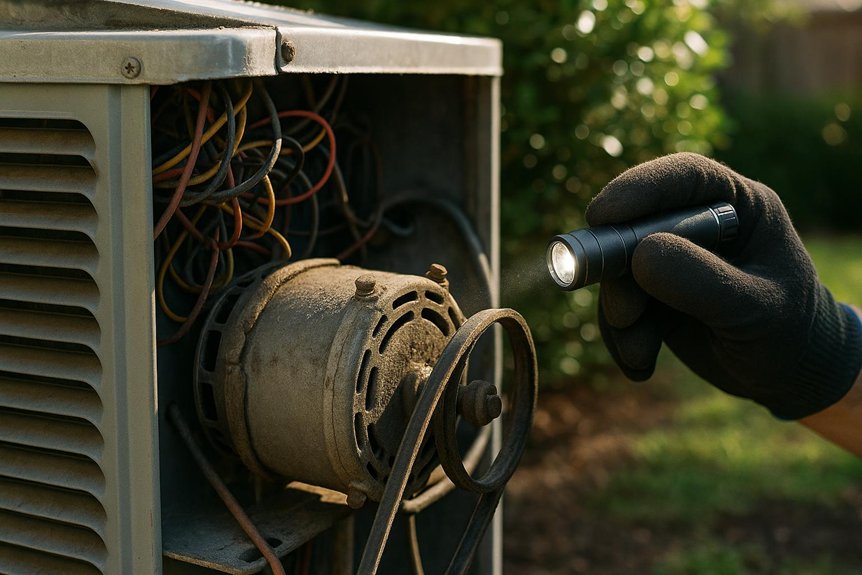
If you suddenly hear your air conditioner making loud buzzing or grinding sounds, especially during a hot afternoon in Lawrenceville, it can feel both frustrating and concerning. What may start as a faint noise outside or near your vents can quickly turn into a sign that your system is under stress or struggling to cool efficiently. In many cases, these sounds develop after long cooling cycles when key components begin to wear down or airflow becomes restricted. Understanding what these noises indicate can help you act early, avoid costly damage, and keep your home comfortable throughout Georgia’s demanding summer season.
Why Loud AC Noises Often Start During Lawrenceville’s Peak Summer Heat
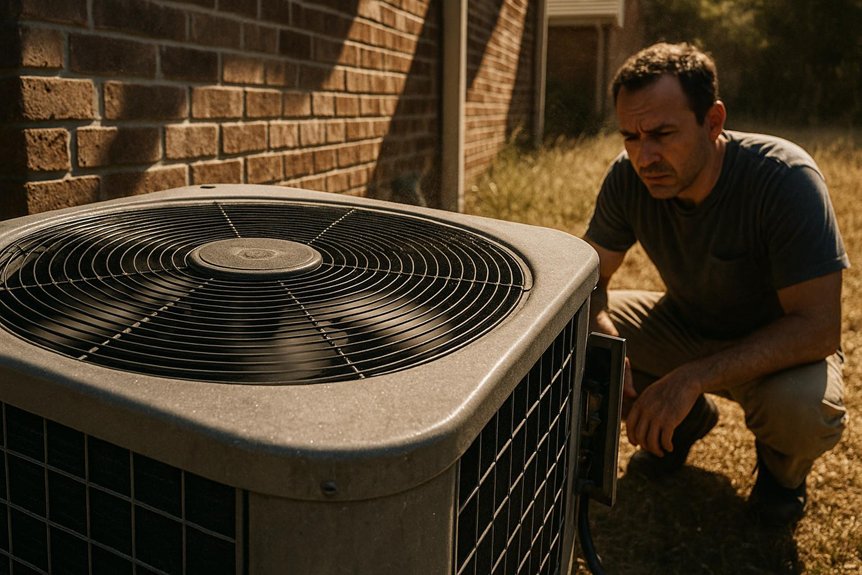
When Lawrenceville’s summer heat really settles in—often stretching well into September—your air conditioner has to work overtime just to keep your home comfortable. That constant demand, paired with high humidity, puts significant summer strain on every part of your AC system. You’ll notice your unit running longer and cycling more often, which can quickly wear out electrical components, fan motors, and bearings. High humidity accelerates dust and debris buildup, leading to restricted airflow and even more stress on your equipment. All that extra work can loosen connections, dry out lubricants, and increase the chance of loud buzzing or grinding noises. If you hear anything unusual, it’s often a sign that your AC is struggling and needs professional attention before a minor issue becomes a costly repair. Regular seasonal maintenance is essential to prevent these noise problems and extend the life of your air conditioning system.
Common Types of Buzzing or Grinding Sounds Homeowners May Notice
Unusual noises from your air conditioner are often early indicators that internal components are under stress or beginning to fail. In many Lawrenceville service calls, technicians find that persistent buzzing or grinding sounds develop after extended system runtime during hot, humid weather. These noises typically point to electrical strain, airflow obstruction, or mechanical wear that can reduce cooling performance if left unaddressed. Paying attention to the type and timing of the sound can help you understand how serious the issue may be.
Common noise patterns include:
- Low electrical buzzing from the outdoor condenser, often linked to a weak capacitor or loose electrical connections
- Grinding or metal-on-metal sounds, which may indicate worn fan motor bearings or internal compressor strain
- Rattling noises during startup or shutdown, sometimes caused by loose access panels, mounting screws, or debris inside the unit
- Vibrating or humming sounds that grow louder over time, suggesting airflow imbalance or a failing fan assembly
- High-pitched squealing from the indoor unit, which can point to blower motor belt or motor performance issues
If these sounds occur alongside reduced cooling or longer run cycles, scheduling professional AC maintenance in Lawrenceville can help identify the root cause early and prevent more extensive repair needs.
Electrical Issues That Can Cause Buzzing Noises in Your AC System
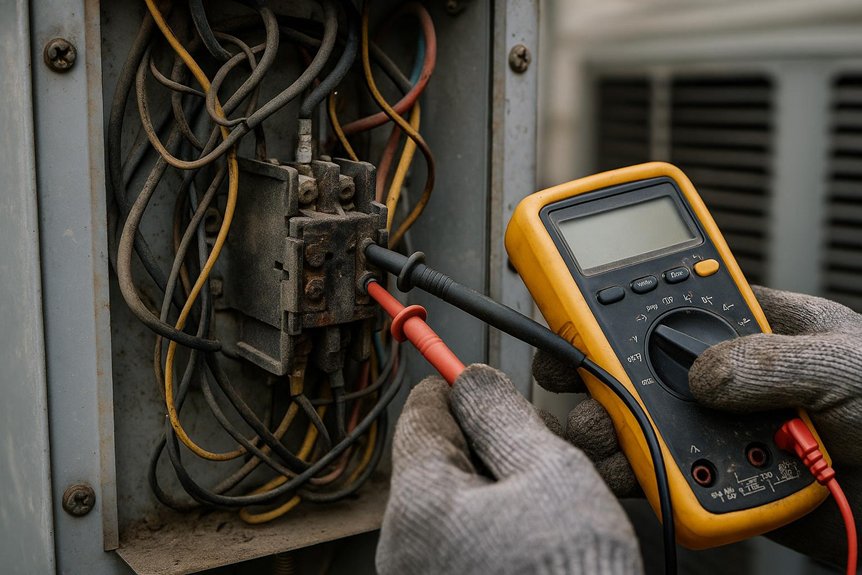
As Lawrenceville’s heat ramps up and your AC runs for longer stretches, electrical issues can quickly make themselves known by way of a loud buzzing sound. In my experience, these noises often point to trouble with your system’s wiring or electrical components. Here’s what might be causing that persistent buzzing:
- Loose Wiring: Connections inside your condenser or air handler can vibrate and arc, creating a steady buzz.
- Buzzing Capacitors: Aging or failing capacitors struggle to hold a charge, producing a distinct electrical hum.
- Contactor Problems: Faulty contactors may chatter or buzz as they try to switch power on and off.
- Breaker Issues: Overloaded or damaged circuit breakers can emit a buzzing noise near the electrical panel.
In some cases, electrical buzzing can also lead to short cycling, reducing cooling efficiency and placing additional strain on the compressor. Never ignore electrical issues—these problems can lead to bigger failures or even safety hazards. If you notice strange noises or weak cooling, timely repairs can prevent costly breakdowns and help maintain your system’s efficiency.
Worn Mechanical Components That Lead to Grinding Sounds
If you hear a harsh grinding or metal-on-metal noise coming from your air conditioner, that’s a clear sign something mechanical isn’t right inside your system. In Lawrenceville’s long, hot summers, heavy AC use can take a toll on internal parts—especially if routine maintenance has been skipped. Grinding sounds often point to worn bearings inside the fan motor or blower assembly. When bearings lose lubrication or break down, metal parts start scraping together, producing that unmistakable noise. Failing motors are another culprit; as motor components wear out, you’ll notice louder operation and possible vibration. Ignoring these warning signs can quickly lead to a complete breakdown. If you hear grinding, shut off your system and call a licensed technician to prevent more costly repairs.
Why Ignoring Loud AC Noises Can Result in Major System Damage
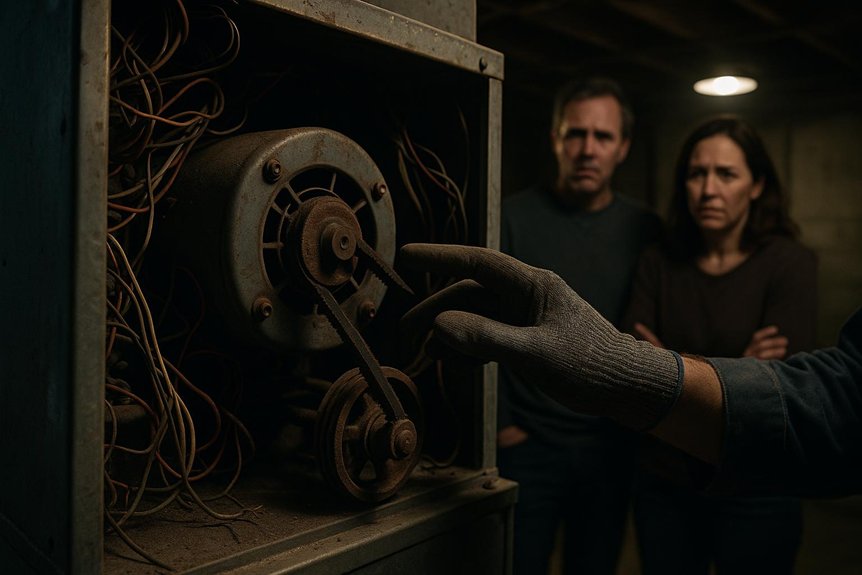
When your air conditioner begins producing persistent buzzing, grinding, or rattling sounds, it often signals internal stress that should not be ignored. During Lawrenceville’s extended cooling season, these warning signs can quickly develop into more serious mechanical or electrical failures. Guidance from the U.S. Department of Energy also highlights that unresolved performance issues can reduce system efficiency and reliability over time.
Delaying service may lead to:
- Electrical buzzing escalating into capacitor damage or short circuits
- Grinding noises causing fan motor bearing failure or seizure
- Rattling components loosening further and damaging nearby parts
- Continuous strain increasing the risk of compressor burnout, one of the costliest repairs
Because these sounds can point to very different internal issues, it’s not always easy to determine the exact cause on your own. Understanding how HVAC technicians investigate noise problems can help you feel more confident about the next steps toward restoring safe and quiet cooling.
How Professional HVAC Technicians Diagnose Noise-Related Problems
When unusual AC noises occur, experienced technicians follow a structured diagnostic approach rather than guessing. Service typically begins by identifying the timing, intensity, and location of the sound, since startup vibration, electrical humming, or grinding during long cooling cycles can indicate different system concerns.
Technicians then perform targeted evaluations such as:
- Electrical testing of capacitors, contactors, and wiring connections
- Inspection of fan motors, compressor mounts, and moving components
- Airflow checks for clogged filters, duct restrictions, or coil buildup
- Performance testing aligned with best practices from ACCA
Once the root cause of the noise has been clearly identified, the focus shifts to practical repair solutions that improve system performance. Addressing worn components, airflow restrictions, or electrical strain early can help your air conditioner operate more quietly and reliably.
Repair Solutions and Maintenance Steps to Restore Quiet Operation
After diagnosing the source of the noise, targeted repairs and preventive maintenance can help restore smoother system operation. In many Lawrenceville homes, correcting electrical wear or airflow imbalances significantly reduces vibration and mechanical strain during peak summer demand.
Typical service actions may include:
- Replacing worn capacitors, fan motors, or damaged bearings
- Tightening loose electrical connections to eliminate humming or buzzing
- Cleaning condenser coils and removing debris affecting airflow
- Lubricating moving parts and balancing system airflow
These steps not only reduce unwanted noise but also help improve cooling efficiency and overall equipment durability. After resolving immediate noise concerns, choosing the right local HVAC contractor becomes just as important for long-term comfort. Ongoing support and preventive service can help reduce the chances of similar issues returning.
Why Choose B Mays Heating and Air Conditioning in Lawrenceville, GA

If your air conditioner continues to make buzzing or grinding noises, working with a trusted local HVAC contractor can help you prevent further component damage and restore quieter, more efficient cooling. Since 2010, we have helped homeowners across Lawrenceville and wider Gwinnett County diagnose and resolve noisy AC performance issues, worn fan motors, airflow restrictions, and compressor strain that often cause unusual AC sounds. Whether you need timely AC repair in Lawrenceville or scheduled AC maintenance services, we focus on accurate diagnostics and practical solutions that help you maintain reliable comfort, improved efficiency, and long-term system performance.