If your air conditioner seems to run longer every summer but your home still doesn’t feel consistently cool, your system may be losing efficiency faster than you realize. In many Lawrenceville homes, older AC units begin struggling during extended 90-degree heat and high humidity, leading to rising energy bills, repeated service calls, and uneven indoor comfort. What starts as minor performance issues can gradually turn into ongoing expenses. Understanding when an aging system begins costing more to operate than it’s worth can help you decide whether repair or AC replacement is the smarter long-term move.
How Lawrenceville’s Long, Hot Summers Increase Cooling Costs for Older AC Systems
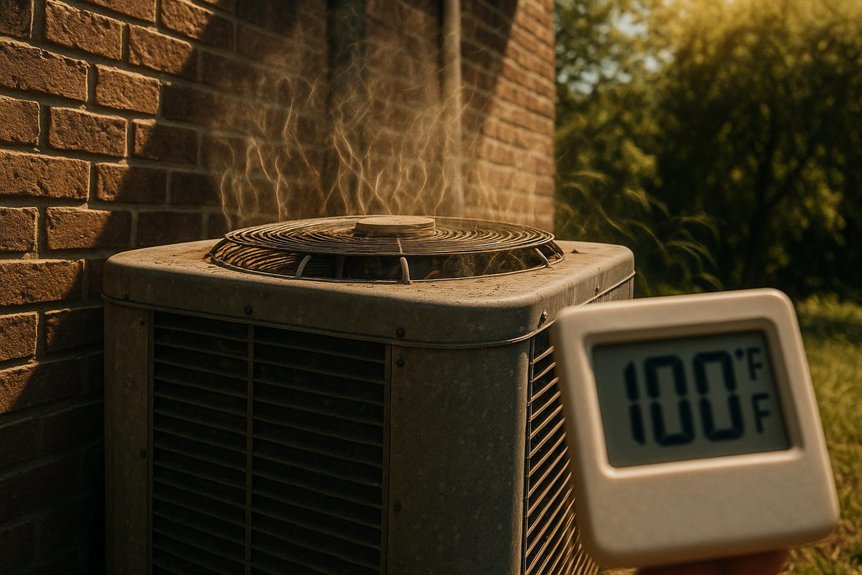
Lawrenceville’s extended cooling season puts significant pressure on aging air conditioners. When temperatures stay above 90°F for prolonged periods, your system must run longer to maintain indoor comfort. Over time, this increased workload reduces efficiency and leads to higher electricity usage.
Common cost-related performance issues include:
- Long Runtime: Your AC runs longer to reach thermostat settings.
- Efficiency Loss: Aging parts reduce cooling output per energy used.
- Humidity Load: Moist air forces your system to work harder.
- Energy Increase: Cooling expenses gradually rise during peak heat.
- Comfort Gaps: Temperature differences develop between rooms.
As these performance issues continue, you may begin noticing that your system struggles to keep up with daily cooling demands. This often leads to exploring whether upgrading to a high-efficiency AC replacement in Lawrenceville could improve comfort while reducing long-term operating costs.
Signs Your Old Air Conditioner Is Becoming Expensive to Operate
An aging air conditioner rarely stops working all at once. Instead, performance gradually declines while operating costs increase. You may first notice subtle comfort changes or higher repair frequency as summer demand rises. Recognizing these warning signs early can help you make better decisions about your system’s future.
Watch for these cost warning signs:
- Frequent Repairs: Service visits become more common each season.
- Weak Airflow: Cooling feels slower or less effective from vents.
- Uneven Cooling: Some rooms remain warmer despite longer cycles.
- Bill Spikes: Energy costs increase without major usage changes.
- Noise Changes: Older components may cause louder operation.
When these symptoms persist, you may find yourself questioning whether continued repairs are still worth the expense. Consulting a trusted local air conditioning contractor in Lawrenceville can help you evaluate performance decline and understand your most cost-effective options.
Why Aging AC Systems Struggle With Efficiency and Indoor Comfort
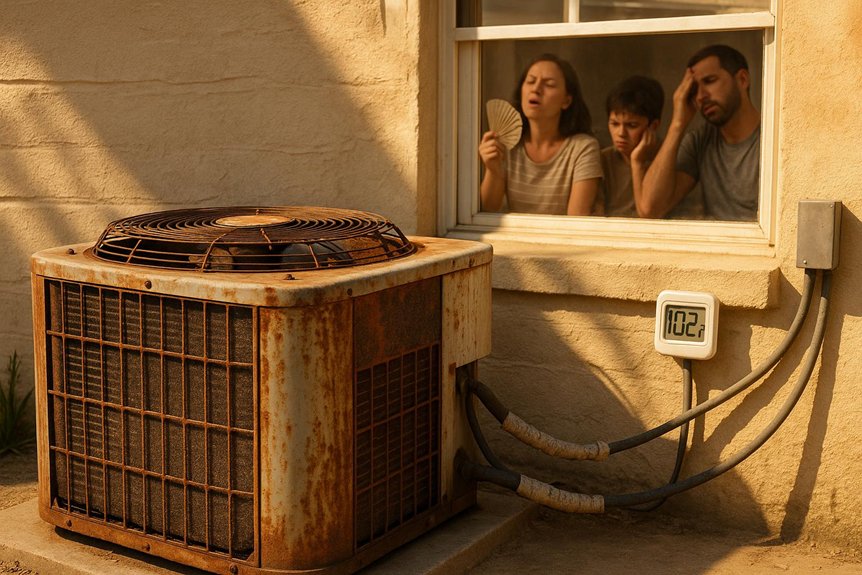
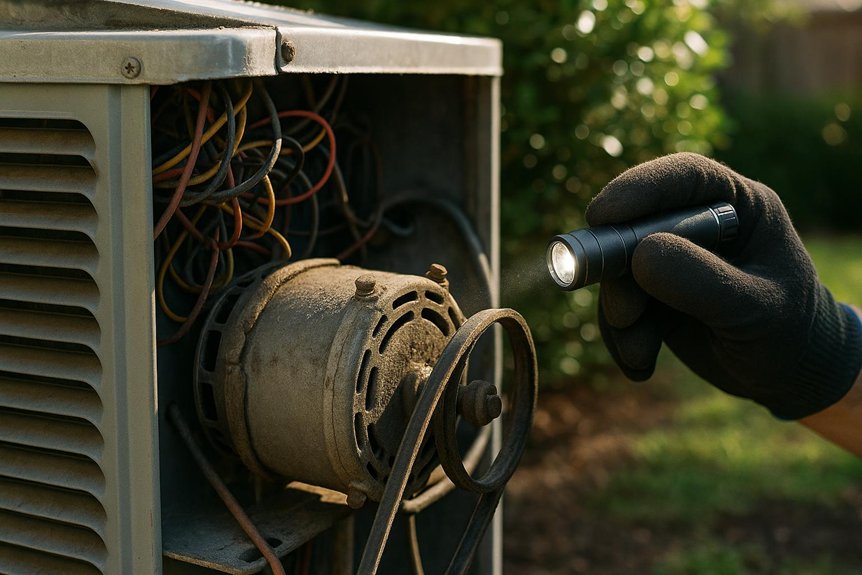
As your air conditioner ages, internal components such as compressors, coils, and fan motors gradually lose effectiveness. In Lawrenceville’s humid climate, this decline becomes more noticeable because your system must manage both temperature control and moisture removal during long cooling cycles.
Typical comfort challenges with aging systems include:
- Humidity Problems: Indoor air feels damp during cooling cycles.
- Cooling Delays: Rooms take longer to reach comfortable temperatures.
- Airflow Reduction: Circulation weakens as components wear down.
- Energy Waste: More electricity delivers less cooling performance.
- System Strain: Extended runtime increases breakdown risk.
As comfort declines and operating expenses continue to rise, you may start comparing ongoing repair costs with the investment required for a newer system. Flexible HVAC financing options can make upgrading to an energy-efficient unit more manageable while improving long-term comfort and efficiency.
Frequent Repairs and Rising Energy Bills Can Quickly Add Up
You may not notice the financial impact of an aging air conditioning system right away. Instead, the costs often build gradually through repeated repair visits and rising monthly energy bills. During peak summer weeks in Lawrenceville, technicians frequently respond to emergency calls where older units struggle after running continuously for days. Guidance from the U.S. Department of Energy highlights how declining system efficiency can significantly increase long-term operating expenses.
Cost warning patterns you may experience include:
- Repair Cycles: Breakdowns begin occurring more often each cooling season.
- Part Failures: Worn fan motors, capacitors, or coils need replacement.
- Service Costs: Emergency visits increase overall cooling expenses.
- Energy Waste: Longer runtime raises electricity consumption.
- Budget Strain: Ongoing repairs reduce the value of keeping the system.
As these costs continue building, you may begin comparing ongoing repair spending with the potential savings of upgrading to a newer high-efficiency AC system. Evaluating long-term financial impact becomes an important step toward protecting both your comfort and household budget.
When Continuing Repairs Is No Longer the Smart Financial Decision
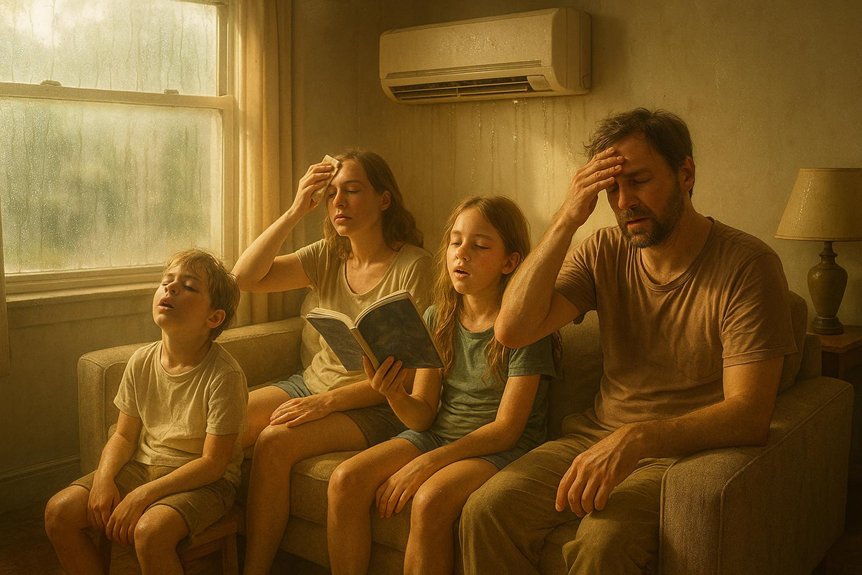
There is often a turning point when repairing an older air conditioning unit becomes less practical than replacing it. Many homeowners reach this stage after several summers of increasing repair costs and declining cooling performance. Technicians following best-practice standards from ACCA (Air Conditioning Contractors of America) commonly recommend evaluating replacement once a system approaches the 12- to 15-year lifespan range.
Financial decision indicators you may notice include:
- Annual repair costs begin approaching the investment required for a new AC replacement
- Utility bills continue rising despite regular maintenance efforts
- Overall cooling comfort declines during everyday use
- Your system reaches the typical 12–15 year equipment lifespan
- Unexpected system breakdowns start affecting indoor comfort and reliability
Reviewing recent repair history alongside rising operating costs can help you decide whether investing in a new AC installation or replacement in Lawrenceville offers better long-term value.
How Professional HVAC Technicians Evaluate Systems for Replacement
A professional HVAC system evaluation provides clear insight into whether continued repairs or full replacement makes more sense. During service visits across Gwinnett County, technicians often perform detailed performance testing to understand how an aging system is handling extended summer demand. Load calculation standards supported by ACCA help ensure new equipment recommendations match your home’s cooling requirements.
A replacement evaluation typically includes:
- Load Testing: Measuring whether your current system matches cooling demand.
- Airflow Analysis: Identifying duct leakage or circulation problems.
- Efficiency Review: Comparing performance with modern SEER standards.
- Component Inspection: Checking compressor health and electrical stability.
- Comfort Review: Evaluating uneven cooling or humidity concerns.
This process helps you make confident decisions about upgrading to a more energy-efficient air conditioner that supports long-term comfort and better cost control.
Benefits of Installing a New Energy-Efficient AC System in Lawrenceville
Upgrading to a modern high-efficiency air conditioning system can deliver noticeable improvements in both comfort and operating expenses. Newer equipment is designed to meet updated efficiency standards referenced by the U.S. Department of Energy, helping reduce electricity usage while improving cooling consistency during Lawrenceville’s long, humid summers. Many homeowners also notice quieter operation and better humidity control after replacing older systems that struggled to keep up with extended heat.
Another advantage is the ability to choose from new AC models across different trusted brands, allowing you to match system performance, features, and budget more effectively. Many installations also include manufacturer warranties of up to 10 years on key components, providing added peace of mind. In some cases, upgrading to a high-efficiency system may also make you eligible for energy tax rebates or utility incentives, helping reduce upfront installation costs.
Key advantages you may experience include:
- Energy Savings: Lower monthly cooling bills during peak summer.
- Comfort Balance: More even temperature distribution throughout your home.
- Humidity Control: Improved moisture removal enhances indoor air quality.
- Quiet Operation: Modern systems run with less mechanical noise.
- Smart Features: Compatibility with advanced thermostat technology.
These performance improvements help you enjoy more consistent indoor comfort, better energy efficiency, and greater system reliability throughout Lawrenceville’s demanding cooling season. Once you decide to upgrade, selecting the right local HVAC company becomes just as important to ensure proper system sizing, professional installation, and long-term performance you can depend on.
Why Choose B Mays Heating and Air Conditioning for AC Replacement in Lawrenceville, GA

Choosing the right local HVAC contractor plays an important role in how efficiently and reliably your new cooling system performs. Since 2010, we have helped homeowners across Lawrenceville with professional AC replacement solutions focused on proper system sizing, dependable installation, and long-term energy efficiency suited to Georgia’s demanding climate. If budget is a concern, flexible HVAC financing options can make upgrading more manageable, while scheduling a consultation for AC installation or replacement in Lawrenceville helps you take the next step toward improved comfort, lower operating costs, and more reliable cooling performance.