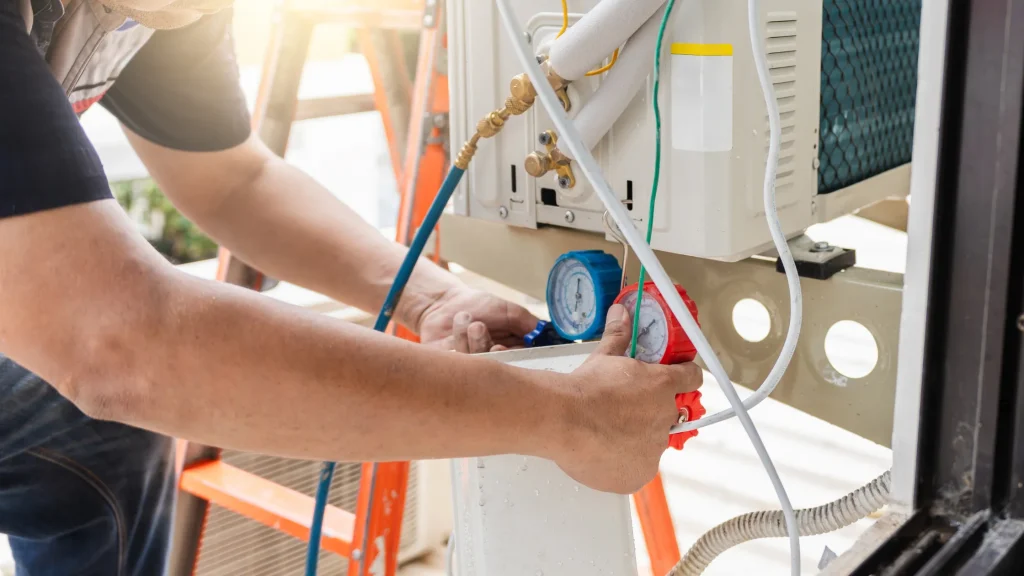
Your Essential Heat Pump Repair Checklist For Lawrenceville Winters
Winter in Lawrenceville doesn’t play by one set of rules; one day it’s mild, the next it’s icy, and your heat pump feels every bit of that swing. That’s why having a simple, reliable repair-focused checklist matters.
This winter-ready guide breaks down the signs your system needs attention, the steps homeowners can safely handle, and the red flags that mean it’s time to call a pro. From airflow issues to defrost troubles, we’ll walk through the most common winter repair triggers so you can keep your home warm, efficient, and stress-free all season long.
What Heat Pump Problems Should Lawrenceville Homeowners Watch For This Winter?
Cold weather has a way of revealing the hidden issues inside your heat pump long before a full breakdown happens. If your home suddenly feels harder to heat, airflow slows down, or frost shows up where it shouldn’t, those small changes are often early signs that your system needs attention.
Below, you’ll find the most common winter heat pump problems, what causes them, and when it’s time to call for dependable HVAC heating repair in Lawrenceville before temperatures drop further.
Weak Airflow That Reduces Heating Performance
Weak or uneven airflow is usually the first sign that something isn’t right. A dirty filter, clogged blower wheel, or blocked duct can force your heat pump to work overtime just to keep up. That extra strain leads to uneven heating, higher energy use, and a system that never quite feels like it’s reaching the temperature you set.
If swapping out the filter doesn’t help, it’s a good idea to have local heating and cooling contractors in Lawrenceville take a look before the issue spreads.
Frost Buildup on the Outdoor Unit
A little frost in winter is normal. Thick, uneven ice isn’t. When the outdoor unit can’t shed frost during its defrost cycle, the cause is usually weak airflow, low refrigerant, or a faulty sensor.
Too much ice quickly reduces heating capacity and puts stress on the compressor. If you notice frost returning more than once, it’s time to call an experienced heat pump contractor in Lawrenceville to diagnose the root issue.
Short Cycling That Wastes Energy
Short cycling is when the system turns on and off rapidly, and usually happens because of thermostat problems, electrical faults, or restricted airflow. Besides being frustrating, this pattern drives up energy bills and wears down internal components faster than normal.
If the heat pump shuts off before the home warms up, especially on the coldest days, have a trusted HVAC contractor in Lawrenceville check wiring, sensors, and refrigerant levels before long-term damage occurs.
Unusual Noises Coming from the Heat Pump
Heat pumps run quietly, so new noises should always get your attention.
• Rattling may mean loose panels
• Buzzing often points to electrical issues
• Grinding can signal motor or bearing trouble
If the noise doesn’t stop after tightening visible panels or clearing debris, schedule an emergency heating repair in Lawrenceville. Catching the issue early protects the system and your budget.
Rising Utility Bills Without a Clear Cause
If your bills are climbing but you’re not using more heat, your system may be struggling behind the scenes. Dirty coils, refrigerant problems, and airflow restrictions make the heat pump run longer and harder for the same amount of comfort. Common signs include:
- Sudden jumps in monthly utility costs
- Rooms feel cooler even when the system runs longer
- Difficulty reaching your set temperature
- Auxiliary heat kicking on more often
- A system that sounds louder or more strained
Longer Run Times on Colder Days
Heat pumps naturally run more in cold weather, but nonstop operation usually means something’s wrong. Common causes include:
- Restricted airflow that forces longer heating cycles
- Coil icing that reduces heat absorption
- Low refrigerant that weakens heat transfer
- Failing sensors or thermostat issues that disrupt normal cycling
- Outdoor unit blockages from snow, leaves, or debris
If your heat pump feels like it never shuts off, especially overnight, schedule a diagnostic visit with certified heat pump repair expertsin Lawrenceville who understand winter-specific performance issues.
Difficulty Reaching Your Set Temperature
If the system suddenly struggles to maintain your preferred indoor temperature, the issue may involve duct leaks, worn components, or refrigerant imbalance. As the heat pump strains, auxiliary heat kicks on more often, raising energy costs without addressing the real problem.
A reliable Lawrenceville HVAC technician can identify whether the culprit is airflow, sensors, or something more complex.
If any of these symptoms sound familiar, now is the perfect time to schedule a quick mid-season check with B Mays Heating and Air Conditioning, your trusted local team keeping Lawrenceville homes warm, efficient, and comfortable all winter long.
Why Heat Pumps Lose Efficiency So Quickly During Lawrenceville Winters
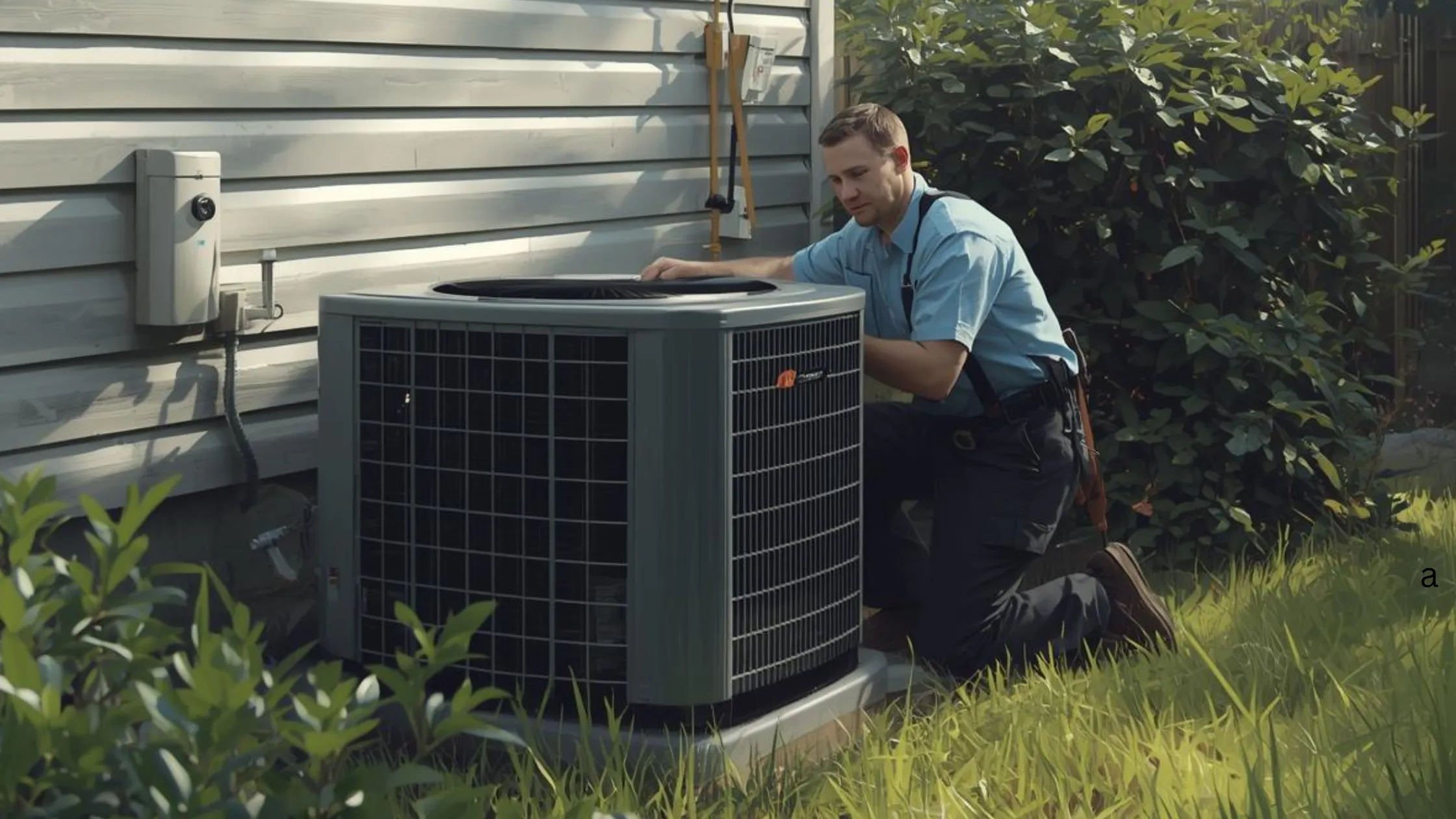
Cold snaps, damp air, and sudden temperature swings can put extra pressure on your heat pump long before you notice anything unusual. When airflow slows down or frost starts to build, the system has to push harder to maintain normal comfort, and that added strain often turns into mid-season repair needs.
Lawrenceville homeowners often see these early warning signs during the first real cold fronts of the season, especially if the system has been running nonstop.
Staying proactive with heat pump repair in Lawrenceville can help prevent bigger issues, reduce energy waste, and keep your home consistently warm as temperatures continue to drop.
How Cold, Damp Air Encourages Frost Formation
Lawrenceville winters bring humid cold fronts that make frost accumulate faster on outdoor coils. When the unit can’t clear frost during its defrost cycle, airflow drops and heating performance weakens.
This buildup forces the system to work longer hours and increases wear on the compressor. If frost becomes heavy or uneven, it’s a strong sign your system needs attention from a skilled heat pump contractor familiar with local winter conditions.
Why Airflow Restrictions Reduce Heat Output
When airflow slows, every part of the heat pump becomes less effective. Dirty filters, blocked vents, or debris around the outdoor unit prevent heat transfer and reduce winter performance. Restricted airflow also raises run times and increases the chance of icing.
- Check for blocked vents and keep furniture away from registers
- Replace filters monthly to maintain proper airflow
- Make sure the outdoor unit has 2–3 feet of clearance
How Refrigerant Imbalances Impact Winter Heating
Low refrigerant levels make it harder for the system to absorb heat from outside air. During colder months, this problem becomes even more noticeable as the heat pump strains to maintain set temperatures.
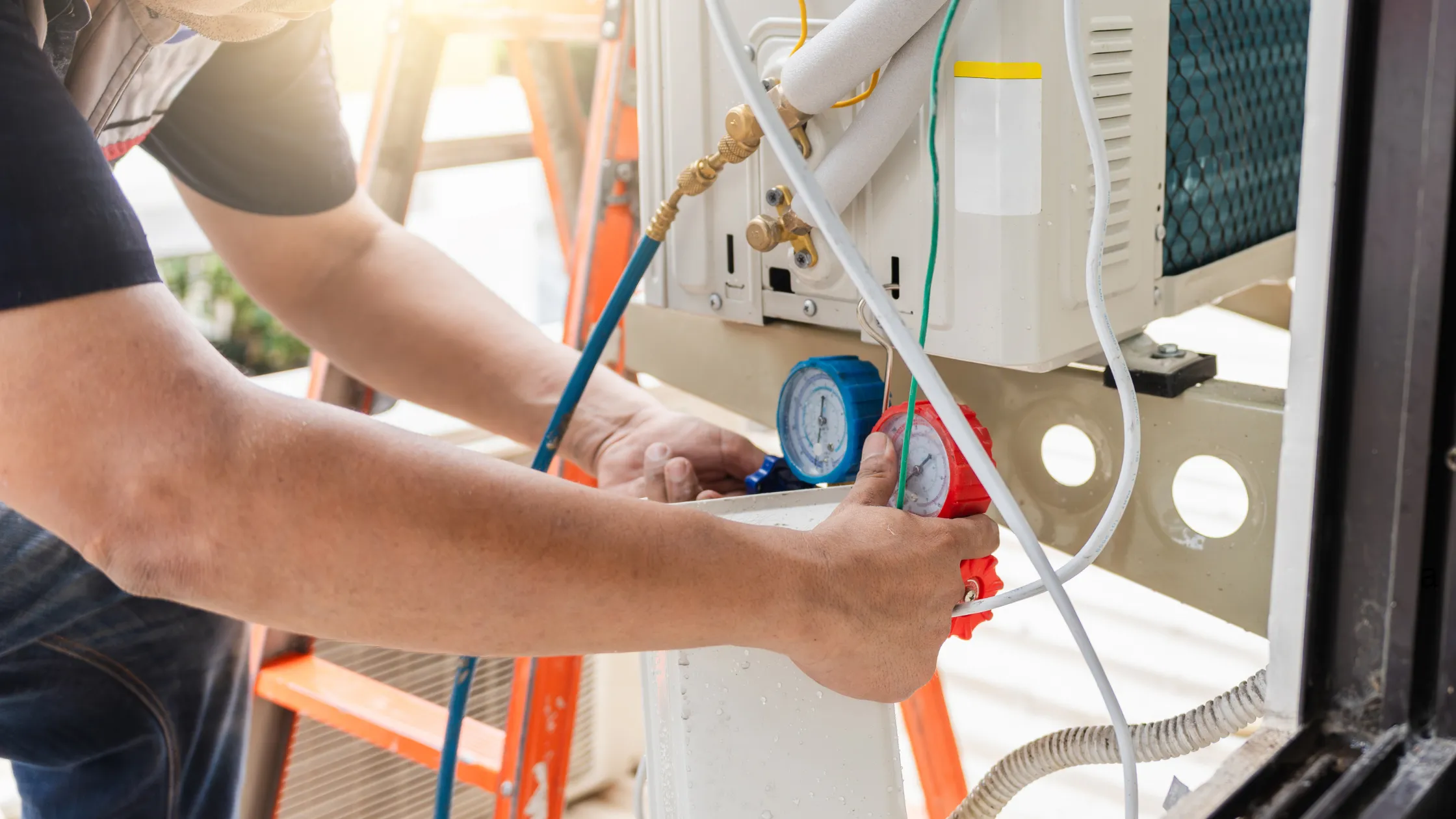
Signs like weak airflow, rising bills, or frost accumulation often point to refrigerant issues. These repairs require professional heating services, since homeowners cannot safely test or handle refrigerant.
How Defrost Cycle Malfunctions Lead To Heavy Ice Build-Ups
When the defrost cycle doesn’t activate or activates too often, your heat pump may alternate between overheating and freezing. This imbalance reduces efficiency and can cause the outdoor coil to ice over within hours.
If the defrost mode seems irregular or you notice persistent frost, schedule diagnostics from heating and cooling contractors in Lawrenceville to prevent compressor strain.
Thermostat Errors That Cause Excessive Cycling
A thermostat that misreads temperatures or uses the wrong settings can cause rapid cycling, longer run times, and inconsistent heating.
Winter shifts in humidity and temperature often expose thermostat issues. If quick adjustments don’t resolve the problem, an experienced heating system repair professional can recalibrate or replace faulty sensors to restore proper control.
Aging Components That Can’t Handle Temperature Swings
Older systems often struggle more during winter because motors, sensors, and coils degrade over time. As parts weaken, the heat pump works harder and loses efficiency, sometimes without obvious warning signs.
Regular tune-ups help spot aging components before they fail, so your home stays comfortable through the coldest nights.
How These Efficiency Losses Show Up In Your Home
These issues don’t stay hidden for long. Most homeowners start to see early efficiency losses through uneven heating, longer cycles, or delayed thermostat response. Staying ahead of these signs helps prevent mid-season breakdowns and cuts down on emergency service calls.
| Efficiency Issue | What Causes It | What You’ll Notice |
|---|---|---|
| Frost buildup on coils | Humid cold + weak defrost cycle | Reduced heat, uneven temperatures |
| Restricted airflow | Dirty filters or blocked vents | Longer run times, weak airflow |
| Low refrigerant | Leaks or aging components | Higher bills + reduced heating output |
| Thermostat errors | Faulty sensors or miscalibration | Short cycling or missed setpoints |
| Aging parts | Wear from prior seasons | Slower heating response, rising energy use |
If your heat pump already shows early signs of inefficiency, consider booking a quick seasonal check with our reliable, local heat pump repair professionals to restore performance before winter peaks.
How Lawrenceville Homeowners Can Handle Safe DIY Heat Pump Checks
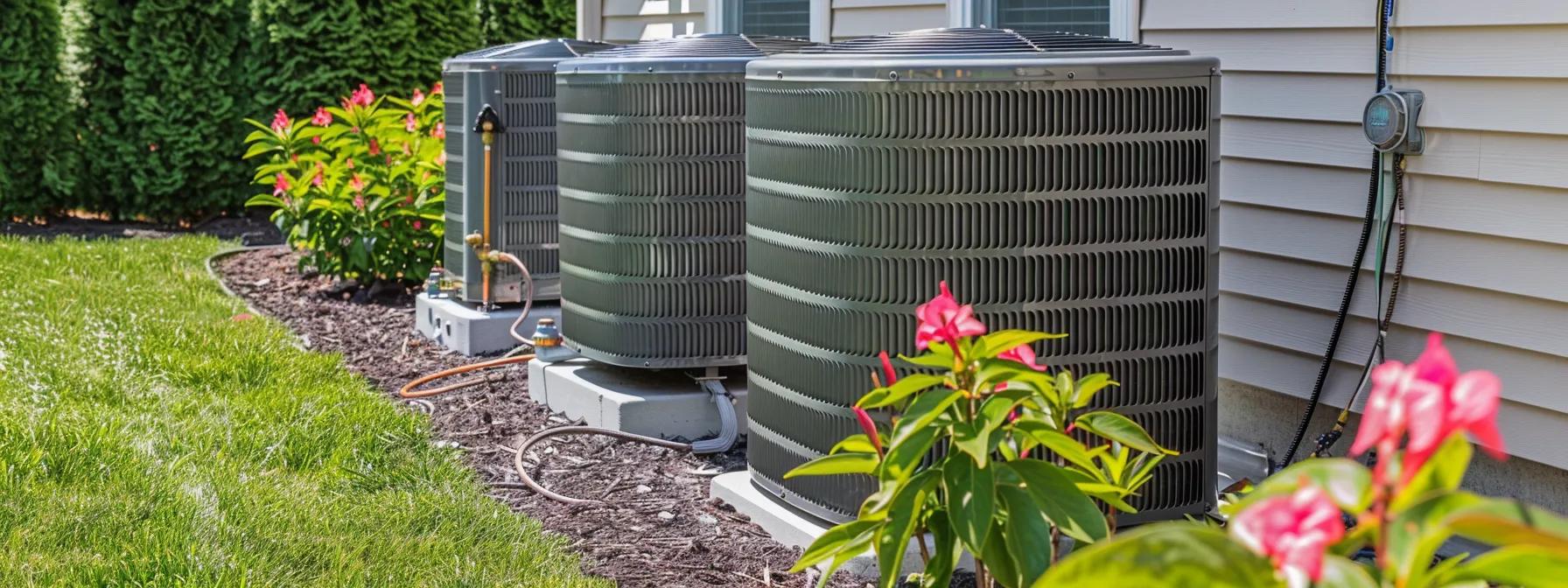
Not every winter issue requires a toolbox or a technician. Some of the simplest habits, like checking airflow, confirming thermostat settings, and keeping the outdoor unit clear, go a long way in preventing mid-season breakdowns.
These DIY steps help you spot early warning signs before they turn into bigger repair needs. If something still feels off after completing these checks, it’s a good time to call for heat pump repair in Lawrenceville to catch problems early.
Check And Replace Air Filters Regularly
Filters clog quickly in winter, especially when the system runs longer to offset cold weather. A dirty filter reduces airflow, increases energy use, and raises the risk of coil icing. Check filters monthly and replace them whenever they look dusty or darkened.
Clean filters keep air moving freely and help your heat pump maintain steady performance throughout Lawrenceville’s cold snaps. If the airflow doesn’t improve after changing filters, contact a trusted HVAC contractor to inspect deeper issues.
Keep The Outdoor Unit Clear After Storms
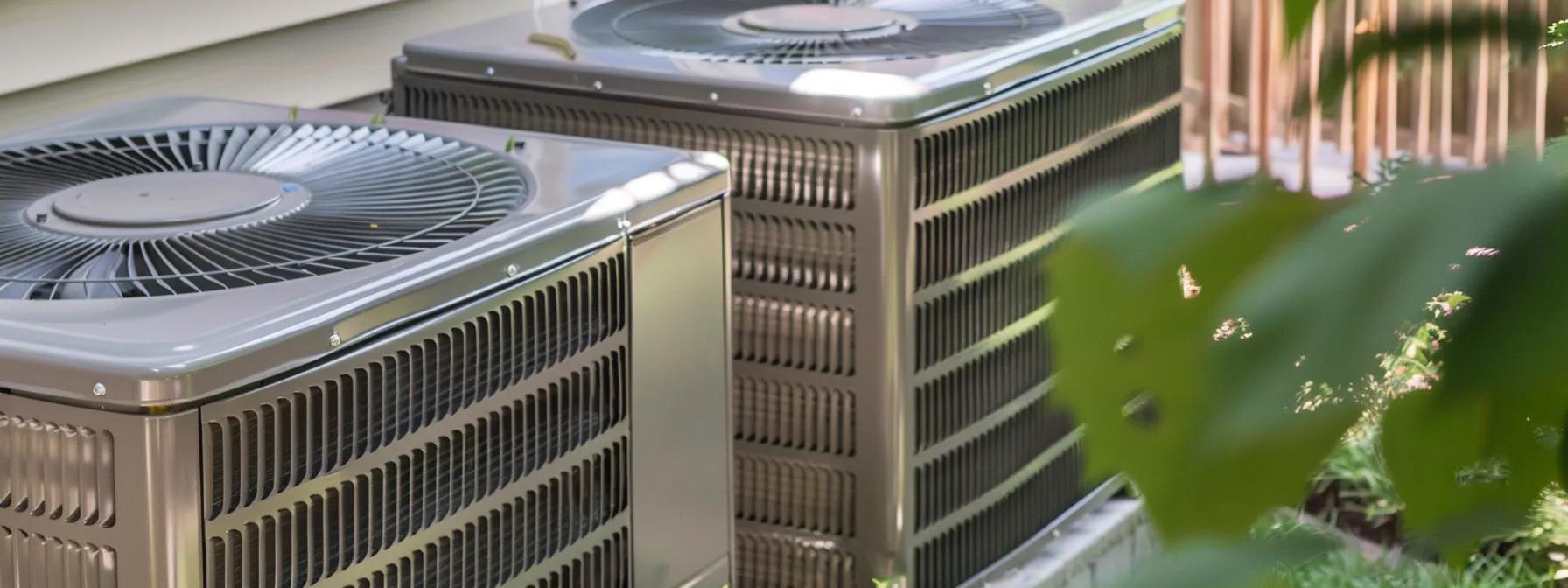
Leaves, branches, and snow can block airflow around the outdoor unit. When airflow is restricted, the system struggles to absorb heat and frost forms more easily.
- Remove snow and debris after storms
- Maintain 2–3 feet of clearance around the unit
- Watch for uneven frost patterns
If clearance doesn’t solve the problem, our trusted heating and cooling contractors in Lawrenceville can check airflow paths and defrost function.
Confirm Thermostat Settings And Modes
A thermostat set incorrectly can mimic mechanical failure. Make sure it’s in heat pump mode—not auxiliary or emergency heat, unless needed. Test small temperature changes to confirm the system responds smoothly.
If the thermostat lags, cycles too quickly, or doesn’t hold temperature, calibration or sensor repairs may be needed. Call for an expert heating repair company in Lawrenceville if adjustments don’t resolve the issue.
Inspect Vents, Registers, And Airflow Paths
Blocked vents make it harder for conditioned air to travel through the home. Check each register for furniture or rugs that may restrict airflow.
- Make sure supply vents are fully open
- Clear returns of dust and obstructions
- Listen for weak or uneven airflow
If airflow remains inconsistent, a licensed HVAC contractor can check for duct leaks or blower issues.
Look And Listen For Warning Signs
Early signs like strange noises, persistent frost, or unusual odors often reveal deeper problems. Heat pumps should run smoothly with minimal sound, so any new or worsening noise is worth noting. If frost builds up quickly or airflow weakens even after DIY steps, lingering issues may be developing.
Contact 24/7 emergency HVAC services in Lawrenceville if signs appear suddenly during freezing weather.
Know What Not To Touch Or Test
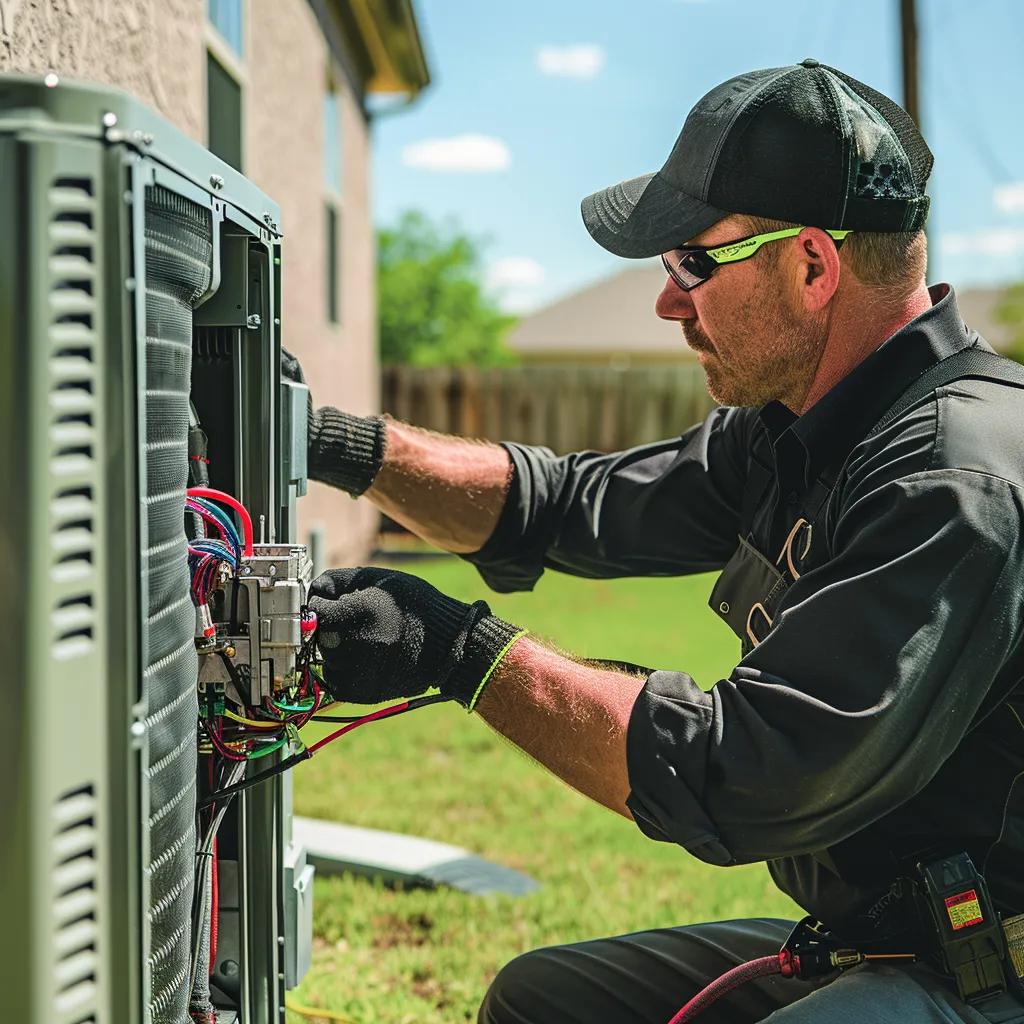
DIY care stops where electrical, refrigerant, or internal component work begins. Never attempt to open sealed panels, test refrigerant pressures, or chip away ice. These actions can cause injury or severe system damage.
If the weather conditions make problems worse, calling a qualified heat pump repair technician is the safest next step.
DIY Check Table: What To Do And How Often
| DIY Task | What It Helps Prevent | Recommended Frequency |
|---|---|---|
| Replace air filters | Coil icing + weak airflow | Monthly in winter |
| Clear outdoor unit | Frost buildup + overheating | After storms + weekly |
| Verify thermostat settings | Excessive cycling | Monthly or when temps change |
| Inspect vents and returns | Uneven heating | Monthly |
| Observe noise + frost | Early detection of failures | Weekly |
If DIY checks reveal something unusual, consider scheduling a quick system evaluation with our trusted heat pump repair service provider to keep winter comfort steady and reliable.
Get Ready For Year-Round Comfort With B Mays Heating & Air Conditioning

If your heat pump is showing signs of winter strain, whether it’s weak airflow, unusual noises, freezing, or longer run times, now is the ideal moment to bring in a professional before the issue grows. At B Mays Heating and Air Conditioning, our NATE-certified team delivers honest, straightforward service with zero upsells.
We take the time to explain what’s happening inside your system, walk you through your options, and recommend only the repairs that genuinely support your home’s comfort and efficiency. When you call us, you’re getting more than a quick fix; you’re getting a local HVAC partner who prioritizes transparency, customer education, and long-lasting system performance.
Schedule your heat pump repair today and keep your Lawrenceville home warm, efficient, and worry-free through every cold snap this winter.