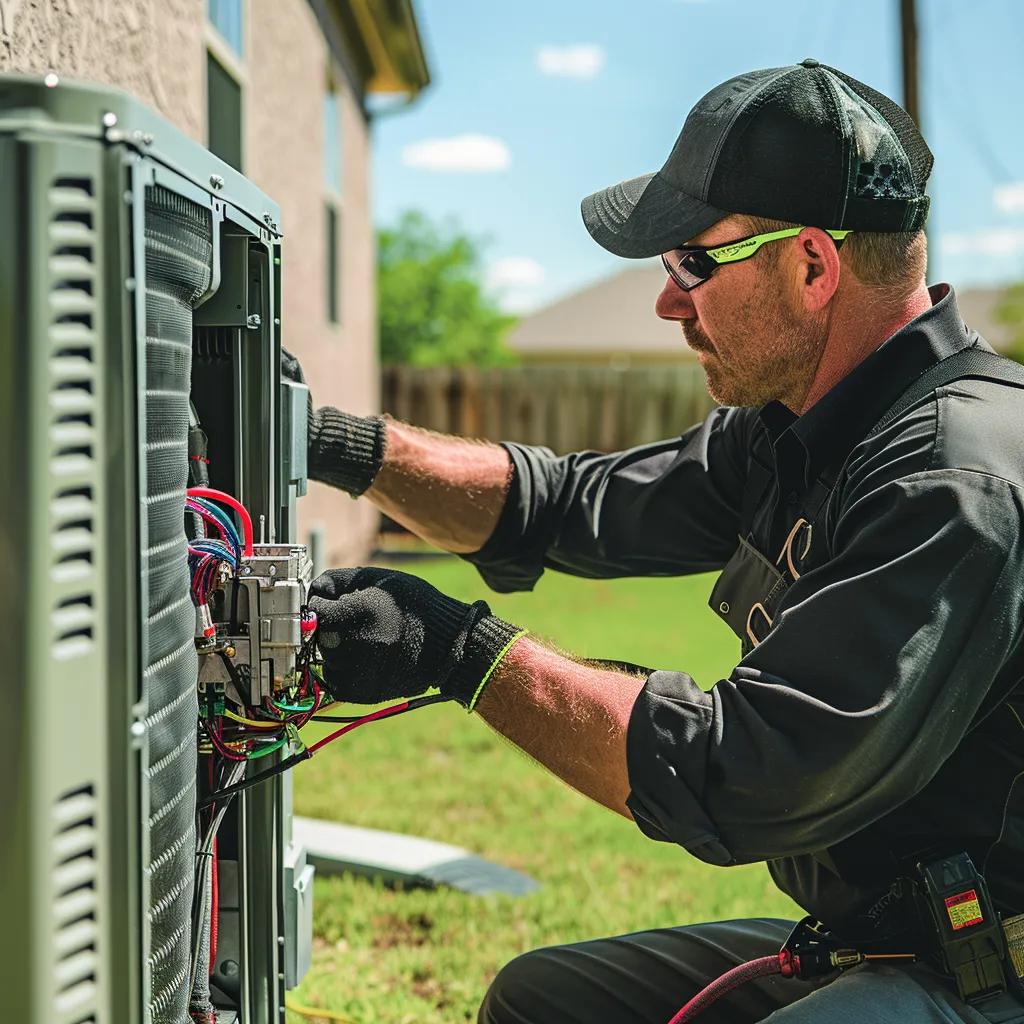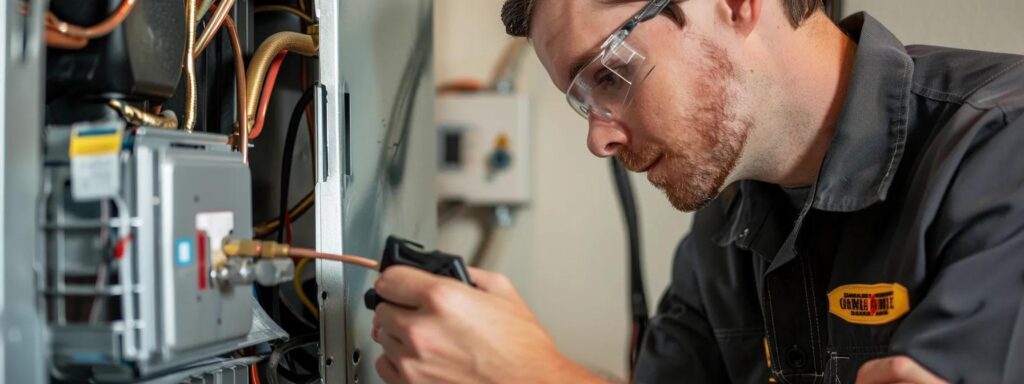
Beat The Chill With Lawrenceville’s Expert Furnace Repair Specialists
No homeowner wants to face a furnace breakdown on the coldest night of the year. That’s why timely furnace repair in Lawrenceville is so important, not just for comfort, but for safety and peace of mind. Recognizing early warning signs like strange noises, uneven heating, or rising energy bills can save you from costly emergencies later.
In this guide, you’ll discover how Lawrenceville’s top furnace repair specialists diagnose and fix common issues, what the repair process looks like, and when it makes sense to schedule maintenance or consider a full replacement. Stay prepared, stay comfortable, and keep the heat running strong.
The 7 Most Common Furnace Problems Homeowners Face In Lawrenceville
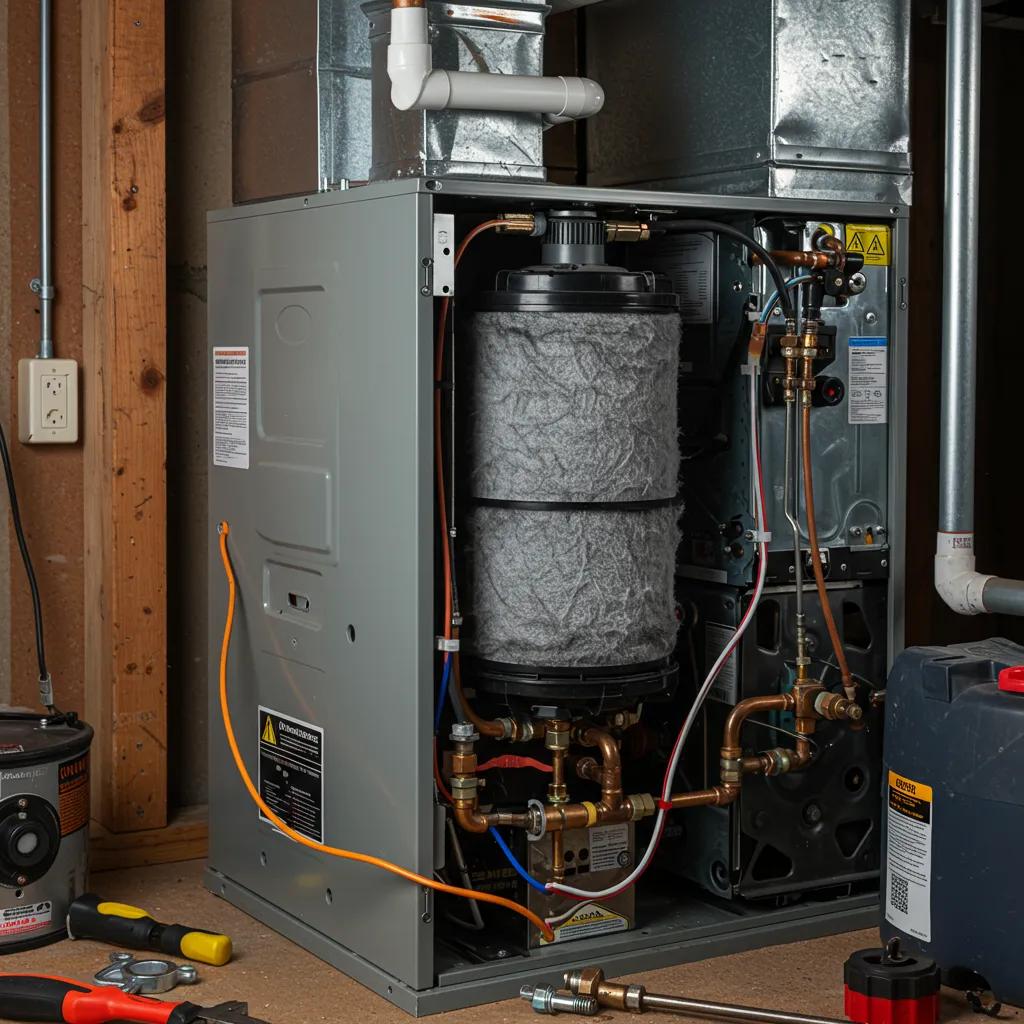
Furnace problems are common in Lawrenceville homes. From normal wear, skipped maintenance, or just everyday use, your furnace may be suffering without you even knowing it.
When airflow gets blocked, ignition fails, or parts wear down, your system struggles, costing you comfort and money. Spotting these signs early means quick fixes, fewer breakdowns, and a warmer, more reliable home.
Here are the most common furnace questions Lawrenceville homeowners ask our team of certified HVAC professionals.
1. Furnace Not Heating Properly
If your furnace isn’t keeping up, airflow or ignition problems are usually to blame.
- Clogged air filter: Blocks airflow, overworks the blower, and leaves rooms cold.
- Blocked vents: Prevent warm air from circulating evenly.
- Weak pilot light or ignition module: Stops the burner from producing steady heat.
Quick fix: Replace filters regularly and check ignition parts to restore strong, consistent heating and lower energy costs.
2. Unusual Furnace Noises
Strange sounds are often your furnace’s way of asking for help.
- Rattling: Loose panels or vibrating ductwork.
- Squealing: Worn blower motor bearings.
- Banging or popping: Delayed ignition or expanding ductwork.
Why it matters: Fixing these issues early prevents expensive repairs and keeps your system running quietly and reliably.
3. Pilot Light And Ignition Issues
Without a steady flame or spark, your furnace can’t produce heat.
- Turn off power and gas before repairs.
- Clean or replace the thermocouple to sense the flame.
- Tighten gas connections for steady fuel flow.
- Test ignition module with a multimeter; replace if faulty.
- Relight the pilot or reset the spark assembly and adjust flame height.
Result: Reliable ignition, safe fuel combustion, and steady heating all winter.
4. Thermostat Malfunctions
A misbehaving thermostat can throw off your furnace’s performance.
- Short cycling: Furnace turns on/off too often.
- Inaccurate readings: Wrong temps or flickering display.
- Unresponsive controls: Touchscreen or dials don’t work.
- Loose wiring or faulty sensors: Cause erratic operation.
Pro tip: Upgrading to a programmable or smart thermostat improves comfort, accuracy, and energy efficiency.
5. Furnace Blowing Cold Air
When your furnace runs but only produces cold air, it’s usually a sign of restricted airflow, dirty burners, or a faulty limit switch that’s shutting the system down too early. In some cases, the problem could also be with the thermostat settings.
If the fan is set to “on” instead of “auto,” it may blow air constantly, even when the burners aren’t producing heat. A quick inspection can usually pinpoint the cause and get warm air circulating again
6. Continuous Short-Cycling?
Short cycling happens when your furnace turns on and off repeatedly without fully completing a heating cycle. This can be caused by clogged filters, improper airflow, an oversized furnace, or a thermostat placed in the wrong location.
Besides making your home less comfortable, short cycling wastes energy and puts unnecessary strain on the system. Having a technician evaluate the root cause is the best way to prevent damage and restore efficiency.
How The Expert Furnace Repair Process Works In Lawrenceville
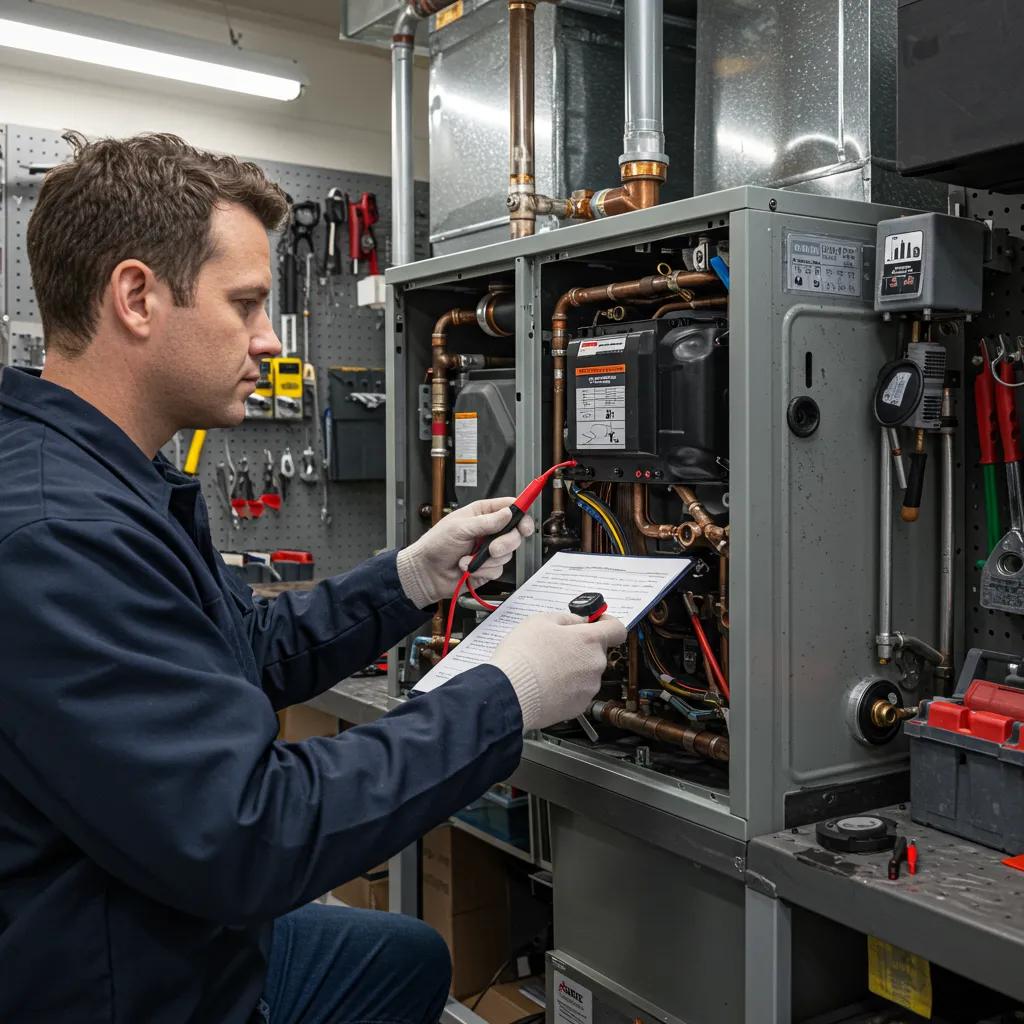
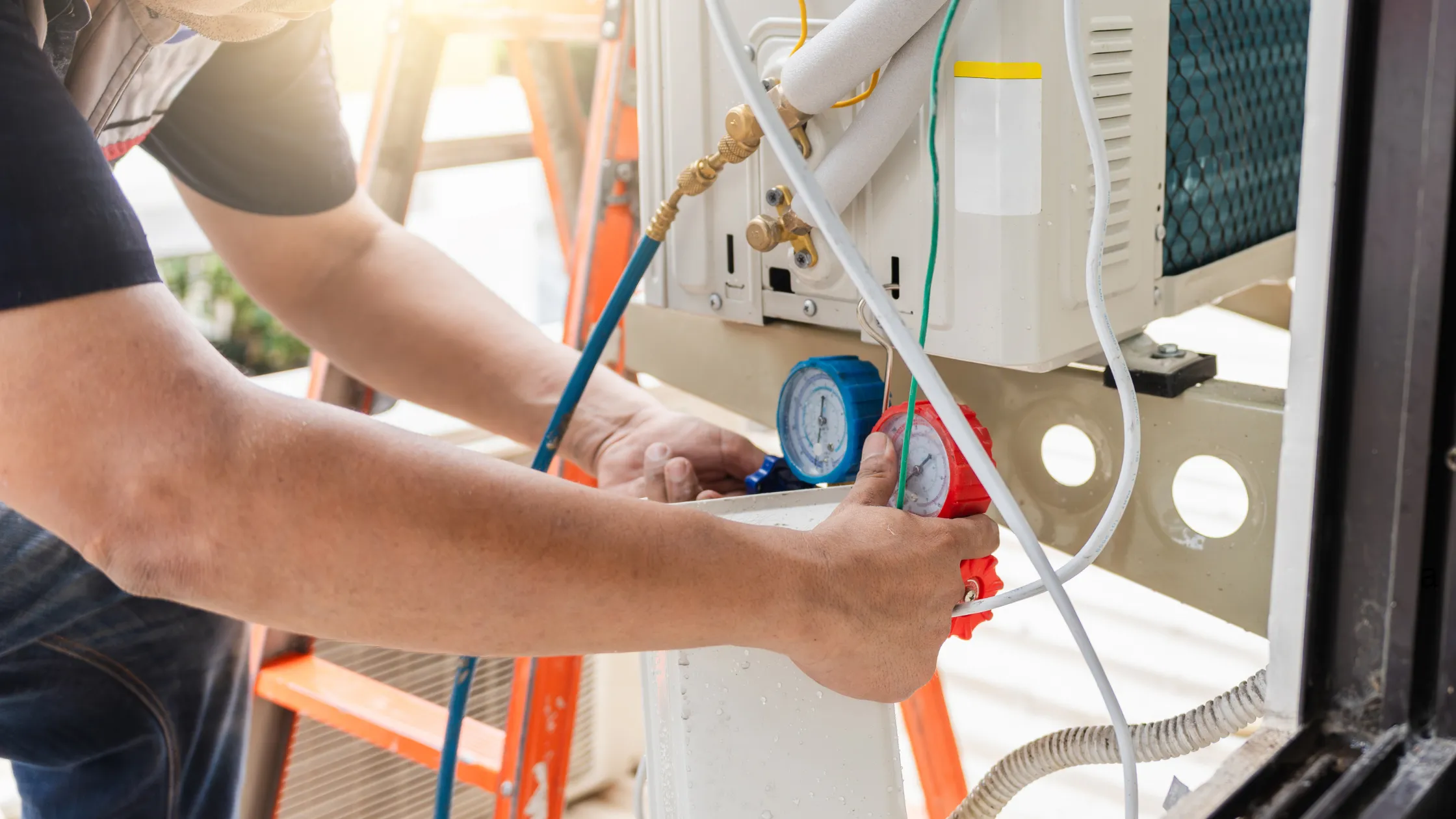
The certified furnace repair process in Lawrenceville is all about accuracy and safety; getting your heat back on fast without cutting corners. It starts with a quick review of your system’s history and warranty, followed by a detailed visual check for leaks or worn parts. Next, technicians use advanced tools to test airflow, gas pressure, and electrical connections, zeroing in on the exact issue.
Once diagnosed, only top-quality, certified parts are used, with strict safety steps followed every time. Backed by ourpartnership with Rheem, homeowners also gain access to trusted, high-efficiency heating solutions designed for long-term comfort and reliability.
To wrap up, post-repair testing ensures your furnace is running smoothly, efficiently, and ready to keep your home warm.
| Repair Stage | What We Do | The Benefit for You |
|---|---|---|
| Initial Consultation | We review your system’s service history and the issues you’re experiencing. | This helps us target the most effective diagnostic approach right away. |
| Visual Inspection | We carefully examine burners, the heat exchanger, and ductwork. | This allows us to identify any visible damage or leaks quickly. |
| Technical Diagnostics | We measure airflow, gas pressure, and electrical circuits. | This ensures we accurately identify the root cause of the problem. |
| Targeted Repair | We replace or adjust faulty components as needed. | This restores your system to safe and efficient operation. |
| Final Testing | We run the system through its complete heating cycle. | This confirms its reliability and your home’s comfort. |
This structured approach ensures every repair delivers lasting results and prepares you for essential maintenance before the next heating season.
What’s Included In A Furnace Diagnostic And Inspection?
A furnace check goes way beyond a quick look; it’s a detailed process to spot hidden issues before they become costly repairs:
- Safety first: Power and gas are turned off before inspection.
- Core checks: Voltage, gas pressure, blower motor, and heat exchanger are reviewed.
- Advanced tools: Infrared scans detect hidden hotspots, leaks, or duct problems.
- Airflow testing: Confirms your fan and ducts deliver steady, balanced heat.
The result? A clear repair plan tailored to your furnace’s needs.
How Do Technicians Handle Furnace Repairs?
Certified furnace technicians use precision and manufacturer-approved methods to keep repairs safe and reliable:
- Swap worn parts: Replace ignition modules, blower motors, thermostat sensors, and control boards.
- Follow factory specs: Every component is installed to exact torque and clearance requirements.
- Lubricate moving parts: Keeps your system running smoothly and reduces wear.
- Secure panels and ducts: Prevents rattles, leaks, and future mechanical strain.
- Code-compliant repairs: All work meets industry safety standards and local building codes.
The result? Long-lasting fixes that keep your furnace safe, strong, and efficient.
How Is Furnace Reliability Tested After Repairs?
Repairs are only complete once they’ve passed a full set of performance and safety checks:
- Cold-start tests: Simulate real heating conditions.
- Heat exchanger monitoring: Infrared thermometers track safe temperatures.
- Airflow and power checks: Blower motor amp draw ensures efficiency.
- Gas and CO testing: Leak detectors and carbon monoxide sensors guarantee safe combustion.
- Thermostat calibration: Fine-tuned settings lock in comfort and energy savings.
With every check complete, your furnace is ready to deliver reliable heat all winter.
How To Know When Your Furnace Needs Repair
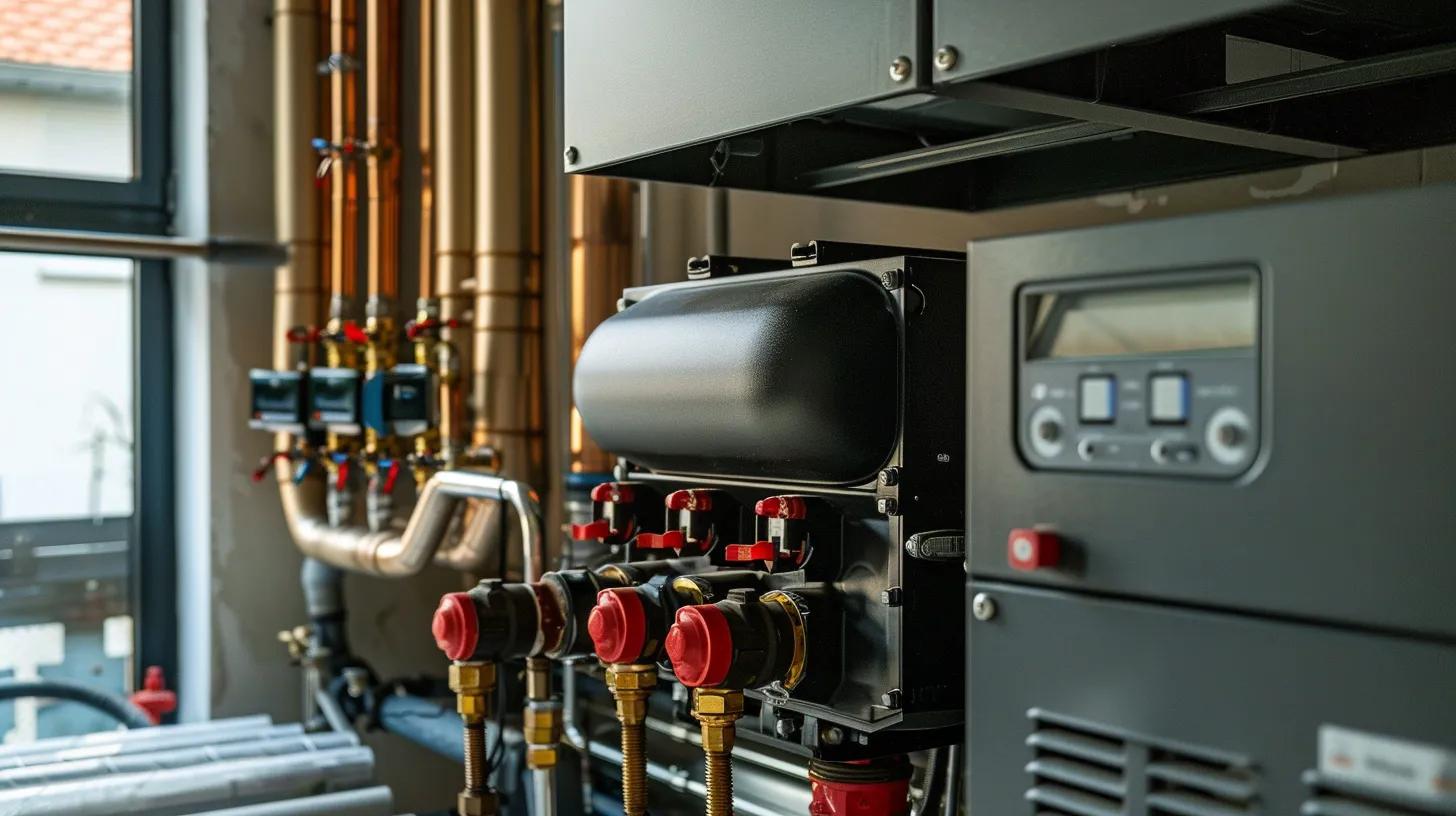
Waiting until your furnace fails is a costly mistake. The sooner you schedule repairs, the more money and comfort you save.
Call for furnace repair as soon as you notice these warning signs. Acting early prevents complete breakdowns and avoids pricey emergency calls.
Rising Energy Bills
When your heating costs keep climbing without explanation, it usually means your furnace is straining to keep up. Common causes include:
- Dirty filters that block airflow and force the system to overwork.
- Worn parts that reduce efficiency and demand longer run times.
- Airflow restrictions from blocked vents or duct issues.
That added stress doesn’t just drive up utility bills; it also accelerates wear and tear on components. Fixing the issue early restores efficiency, lowers costs, and helps your furnace last longer.
Uneven Heating
Cold spots in one room and overheated air in another are clear signs your furnace isn’t distributing heat evenly. Leaky ductwork, blocked vents, or a struggling blower often cause these problems, leaving your home uncomfortable. In some cases, thermostat placement can also play a role.
Solving uneven heating improves comfort while reducing unnecessary strain on your system.
Strange Noises
A furnace should run smoothly, not squeal, rattle, or bang. Noises like these are warning signs of bigger issues ahead.
Squealing often points to worn blower bearings, rattling suggests loose components or ducts, and loud bangs can signal delayed ignition. Addressing these noises quickly prevents small problems from turning into major, expensive repairs.
Short Cycling
When your furnace constantly turns on and off without finishing a heating cycle, it’s short-cycling. This wastes energy and puts the system under heavy stress.
Causes can include clogged filters, airflow blockages, malfunctioning sensors, or even an oversized furnace. Left unchecked, short cycling reduces efficiency and shortens the lifespan of your unit.
Weak Airflow
Weak or inconsistent airflow makes it impossible for your furnace to keep your home comfortable. Common causes include a failing blower motor, clogged ducts, or damaged capacitors.
Without strong airflow, your system has to work much harder, which means higher bills, uneven comfort, and an increased risk of breakdowns. Prompt repair restores airflow and reliable heating.
Benefits of Prompt Furnace Repair
Quick furnace repair does more than restore comfort; it protects your home and your wallet.
- Improves efficiency: Fixing airflow or ignition issues helps your furnace use less energy.
- Prevents breakdowns: Addressing small problems stops them from snowballing into major failures.
- Extends lifespan: Keeping parts in good shape ensures your furnace lasts longer.
- Saves money: Lower repair costs now mean fewer expensive replacements later.
- Ensures safety: Repairs eliminate risks like gas leaks or carbon monoxide exposure.
Trusting local HVAC Pros to regularly handle repairs keeps your furnace reliable, efficient, and safe through Lawrenceville’s coldest nights.
What’s Included in a Comprehensive Furnace Repair Checklist?

Every repair visit should cover key problem areas to restore safe, reliable heating. Here’s a quick breakdown of what trusted HVAC professionals in Lawrenceville suggest:
| Repair Task | Why It Matters | When to Repair |
|---|---|---|
| Replace the Faulty Ignition Module | Ensures burners light consistently for steady heat. | When the pilot light fails or no spark. |
| Repair/Replace Blower Motor | Restores airflow and prevents overheating. | When airflow is weak or noisy. |
| Fix Thermostat Wiring/Sensors | Restores accurate temp control and prevents short cycling. | When temps fluctuate or cycle often. |
| Patch/Seal Duct Leaks | Prevents heat loss and uneven room temperatures. | When heating feels inconsistent. |
| Replace Worn Control Board | Ensures the system communicates and runs safely. | When the furnace won’t respond properly. |
These targeted repairs keep your furnace safe, efficient, and reliable for the long haul.
Replacing a Faulty Ignition Module
A failing ignition module can prevent your burners from lighting, leaving your furnace blowing cold air. Replacing it ensures consistent heat production and safe fuel combustion. If your pilot light won’t stay lit or you notice frequent ignition failures, it’s time for a professional repair.
Repairing or Replacing the Blower Motor
The blower motor is responsible for pushing warm air through your ducts. When it starts to fail, airflow weakens, and your furnace may overheat. Repairing or replacing the motor restores strong airflow, prevents damage to other components, and keeps your home evenly heated.
Fixing Thermostat Wiring and Sensors
Thermostats are the “brains” of your heating system. Loose wiring or faulty sensors can cause your furnace to cycle on and off too often or read temperatures inaccurately. Addressing these issues brings back precise control, improves efficiency, and prevents unnecessary wear on the system.
Patching and Sealing Duct Leaks
Even a small duct leak can waste a surprising amount of warm air. This not only creates uneven heating but also drives up energy bills as your furnace works harder to compensate. Sealing leaks ensures heated air gets where it’s needed and helps your system run more efficiently.
Replacing a Worn Control Board
The control board coordinates every furnace function, from ignition to fan operation. When it wears out, your system may fail to respond or shut down entirely. Installing a new board restores communication between components and ensures your furnace operates safely and reliably.
How Often Should Lawrenceville Homeowners Schedule Furnace Repair?
Unlike tune-ups, furnace repairs don’t run on a set schedule; they happen when problems appear. That said, here’s a smart rule of thumb:
- At the first sign of trouble: Don’t ignore unusual noises, rising bills, or uneven heating.
- After heavy winter use: Intense operation can wear out parts faster, making mid-season repairs necessary.
- Following major repairs, always have your furnace inspected again to confirm the fix and prevent new problems.
For most Lawrenceville homes, acting early means fewer emergencies, lower bills, and reliable heat all season.
Book Lawrenceville’s Expert Furnace Repair With B Mays Heating And Air Conditioning
Furnace problems don’t wait for the right time; they strike when you need heat the most. From strange noises to rising bills or uneven comfort, catching issues early makes all the difference.
With expert diagnostics, precision repairs, and a focus on safety, you can restore reliable heating and avoid costly breakdowns this winter. At B Mays Heating & Air Conditioning, we go beyond quick fixes. Our certified technicians explain every step, use only trusted parts, and ensure your system is safe, efficient, and ready for heavy use.
You’ll never be left guessing; we educate you on your options so you can make the best decision for your home. For long-term peace of mind, we also offer annual maintenance agreements with flexible monthly payments, plus upcoming tiered Silver, Gold, and Platinum plans designed to fit every budget.
And because we’re committed to our community, we proudly provide discounts of up to 10% for seniors, veterans, teachers, police, and state workers.
So, Lawrenceville, ready for stress-free comfort?
Call B Mays Heating & Air Conditioning today for expert furnace repair in Lawrenceville. Get a free estimate, same-day service, and peace of mind knowing your comfort is in the hands of local professionals who put your family first.
Schedule a Repair | Contact Us